
Loan document automation converts deal data into closing-ready, state-compliant packages in minutes rather than days, provided the underlying template engine renders documents deterministically and the platform carries real security certification. The practical recommendation for most lenders is straightforward: choose an enterprise-grade, SOC 2 aligned system that plugs directly into your loan origination system (LOS) and e-signature workflow, rather than stitching together disconnected tools.
- Most lenders should use an enterprise-grade, SOC 2 certified platform that integrates directly with their loan origination and e-signature systems to maximize speed and accuracy.
- A deterministic template engine with conditional logic and a jurisdictional rules engine is essential to produce consistent, compliant documents that reflect evolving regulations.
- Real-time data mapping from LOS to document templates, combined with version control and fraud detection, ensures auditability and reduces errors before closing.
- Security features such as encryption, role-based access, and template versioning are mandatory to handle sensitive borrower information securely and comply with regulations.
- Conduct a pilot focusing on a representative deal type, measuring generation time, error rate, and compliance before full implementation, and verify vendor capabilities through live demonstrations.
Maintain 100% NCUA & OCC Audit Readiness
Monitor regulatory updates 24/7, check internal credit policies, and generate compliance trails with Erina (AI Regulatory Agent).
Table of Contents
- What Loan Document Automation Actually Delivers
- Essential Features and Capabilities to Require
- How Do You Evaluate and Pilot a Document Automation Platform?
- Where Document Automation Fits in the Lending Workflow
- What Security and Compliance Controls Should You Require?
- Why Publisher Expertise Matters Here
- When Automation Still Needs a Lawyer
- How Riskinmind Fits Into Your Document Workflow
- Sources
- FAQ
What Loan Document Automation Actually Delivers
Loan document automation replaces manual drafting with template-driven generation pulled straight from deal data. A processor who used to spend three or four hours assembling a commercial term sheet, note, and security agreement can now generate that same package in minutes, because the platform maps borrower and collateral data into pre-approved templates rather than retyping it into Word documents one field at a time.
The measurable gains show up in three places: speed, accuracy, and scale.
- Time to package: generation drops from hours or days to minutes once templates and data mappings are configured correctly.
- Fewer redraws: rekeying errors, the leading cause of document redraws, fall sharply when data flows from the LOS rather than a human keyboard.
- Volume without headcount: a lender can double loan volume without doubling document-prep staff, since the engine scales linearly with data throughput, not labor.
- Compliance currency: state-specific templates update centrally, so a change to a disclosure requirement in one jurisdiction doesn't require a manual audit of every loan officer's local file.
**Industry coverage consistently shows lenders now expect state compliant automated template that shave document prep from days down to minutes, a shift that has become table stakes for competitive lenders rather than a differentiator.
Essential Features and Capabilities to Require
Not every document generator qualifies as loan document automation in the sense a lender actually needs. Before signing a contract, run the vendor through this checklist:
- A template engine with conditional logic. The system should render different clause sets automatically based on loan type, collateral, or state, not force you to maintain dozens of near-duplicate templates.
- Deterministic rendering. The same template and the same data should always produce the same output, byte for byte. Carbone's approach to deterministic template rendering illustrates why this matters for regulated workflows: reproducible output is what makes an audit trail defensible months or years later.
- A jurisdictional rules engine. Fifty-state coverage means the platform tracks disclosure timing and language differences by state, and updates them centrally when regulations change.
- API and LOS/CRM connectors. Data should map automatically from your origination system into the document engine, eliminating dual entry.
- Integrated e-signature and notary support, so the package moves from generation to execution without a manual handoff.
- DOCX and PDF output, matching whatever your investors, warehouse lenders, or county recorders require.
- Version control and document hashing, creating a reproducible audit trail for every generated file.
- Document fraud detection and KYC hooks, catching altered pay stubs or mismatched identity data before they reach a closing table.
Pro Tip: Ask any vendor to demonstrate deterministic rendering live: generate the same document twice from identical data and compare the output byte for byte. If the results differ even slightly, your audit trail has a credibility problem before you've closed a single loan.
How Do You Evaluate and Pilot a Document Automation Platform?
Selecting a platform comes down to five criteria: integration depth, security posture, compliance coverage, output determinism, and support responsiveness. A vendor that scores well on features but poorly on LOS integration will cost you more in workaround engineering than it saves in document time.
Ask vendors these questions directly before signing anything:
- Can you export your templates and data if you switch platforms later?
- What is the policy and turnaround time on document redraws?
- How is change control handled when a state updates disclosure language?
- What SLA governs compliance template updates after a regulatory change?
Run a pilot before committing to a full rollout:
- Pick one representative deal type, commercial term loan or residential purchase, not your simplest file.
- Measure generation time against your current manual baseline.
- Track error rate and count how many documents require legal or compliance review before closing.
- Assign a single stakeholder owner from operations and one from compliance to sign off on results.
- Migrate templates, map data fields, run integration tests, then train staff, in that order.
Budget for setup costs (template migration, integration work) separately from ongoing usage fees, and expect a ramp of several weeks to a full quarter depending on deal complexity. Treat any vendor quote that bundles "unlimited templates" with a vague implementation timeline as a red flag.
Where Document Automation Fits in the Lending Workflow
The typical automation flow runs from your LOS to the document engine, then to e-signature, then back into closing storage and the LOS record. Each handoff is a place where integration choices matter.
- APIs and webhooks connect the document engine directly to your LOS for real-time data sync.
- No-code connectors like Power Automate let smaller shops trigger document generation from SharePoint fields without custom development, while enterprise lenders generally need direct API integration for scale and control.
- Batch imports via CSV or JSON handle bulk generation when you're processing a portfolio of loans at once, a pattern common to document platforms that merge structured data with Word templates.
- Identity verification feeds the pipeline upstream: capture, verify, then assemble, so a forged ID or mismatched name gets flagged before it reaches a generated document rather than after.
Maintaining chain of custody through this chain means every step, from data capture to final signature, needs a timestamped, tamper-evident log.
What Security and Compliance Controls Should You Require?
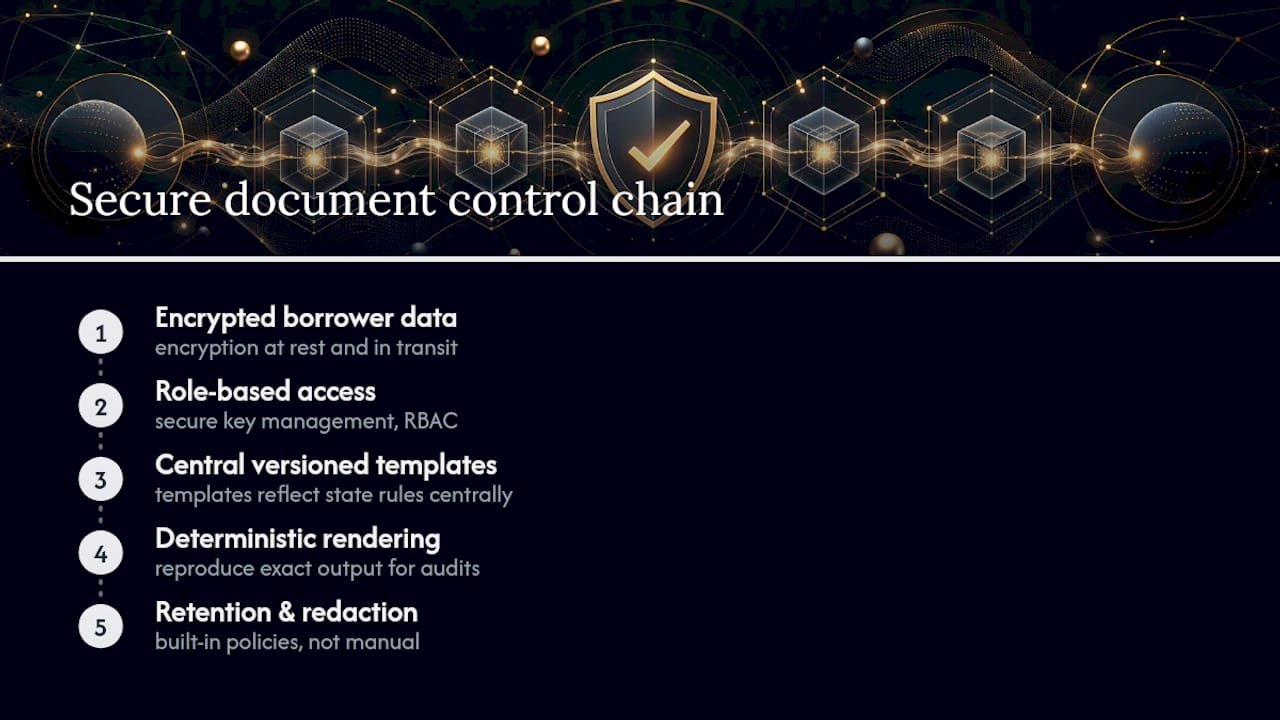
SOC 2 certification, encryption at rest and in transit, role-based access, and secure key management are baseline requirements, not premium add-ons. A platform without them has no business handling borrower Social Security numbers or bank statements.
Deterministic rendering and version control matter here too: when a regulator or auditor asks why a document looked a certain way eighteen months ago, you need to reproduce that exact output, not approximate it. Templates must reflect current state rules and update centrally, a point MISMO and the Mortgage Bankers Association have pushed through updated smart-document implementation guidance aimed at standardizing secure digital mortgage workflows. Retention and redaction policies for borrower data need to be built into the platform, not bolted on as a manual process after the fact.
Why Publisher Expertise Matters Here
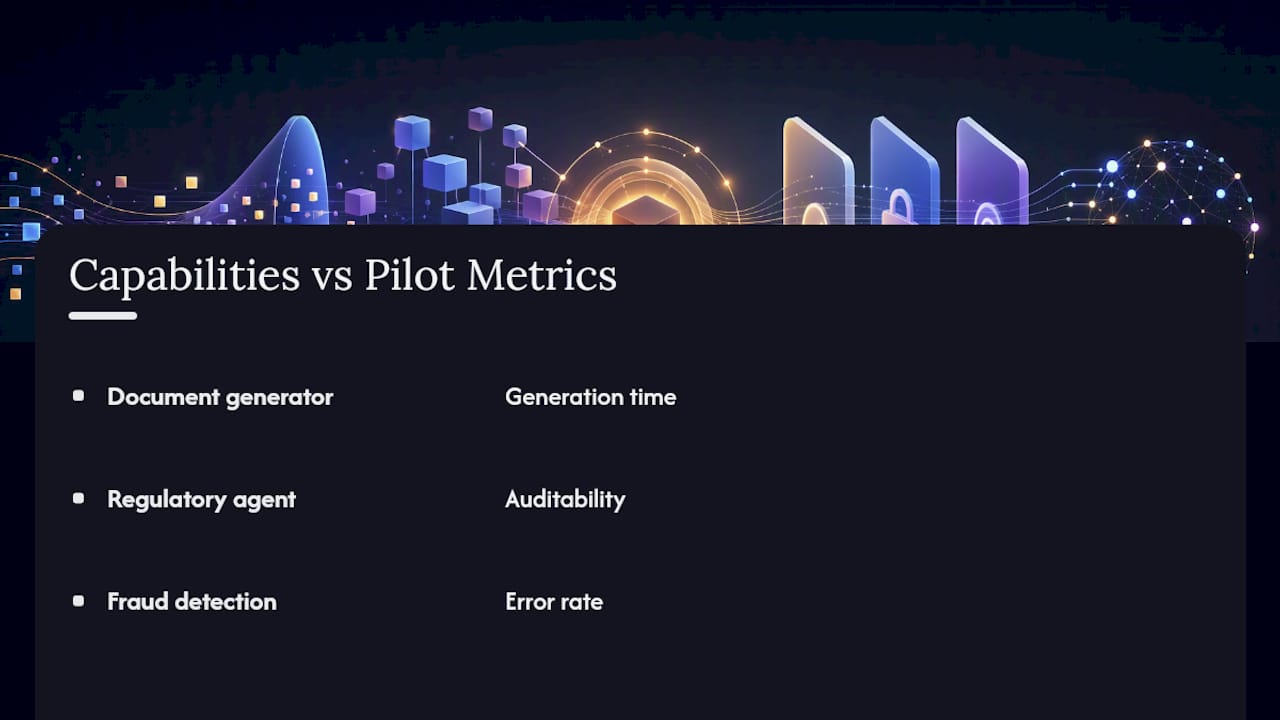
A robust loan document automation platform includes a document generator with template logic, a regulatory agent tracking jurisdictional rules, and fraud detection integrated into the document process. Those capabilities map directly onto pilot metrics: generation time, error rate, and auditability, backed by SOC 2 aligned controls and audit trails that hold up under regulatory review. This article was prepared by Riskinmind's editorial team, drawing on the platform's work with credit unions, community banks, and commercial lenders evaluating automation.
When Automation Still Needs a Lawyer
Automation handles standard deal structures well, but novel security interests, unusual covenants, or collateral spanning multiple jurisdictions still call for attorney drafting. The practical rule: if a deal term falls outside your template library's tested logic, pause and route it to counsel before generating anything. Escalation should be a defined step in your workflow, not an afterthought discovered mid-closing.
— Raj
How Riskinmind Fits Into Your Document Workflow
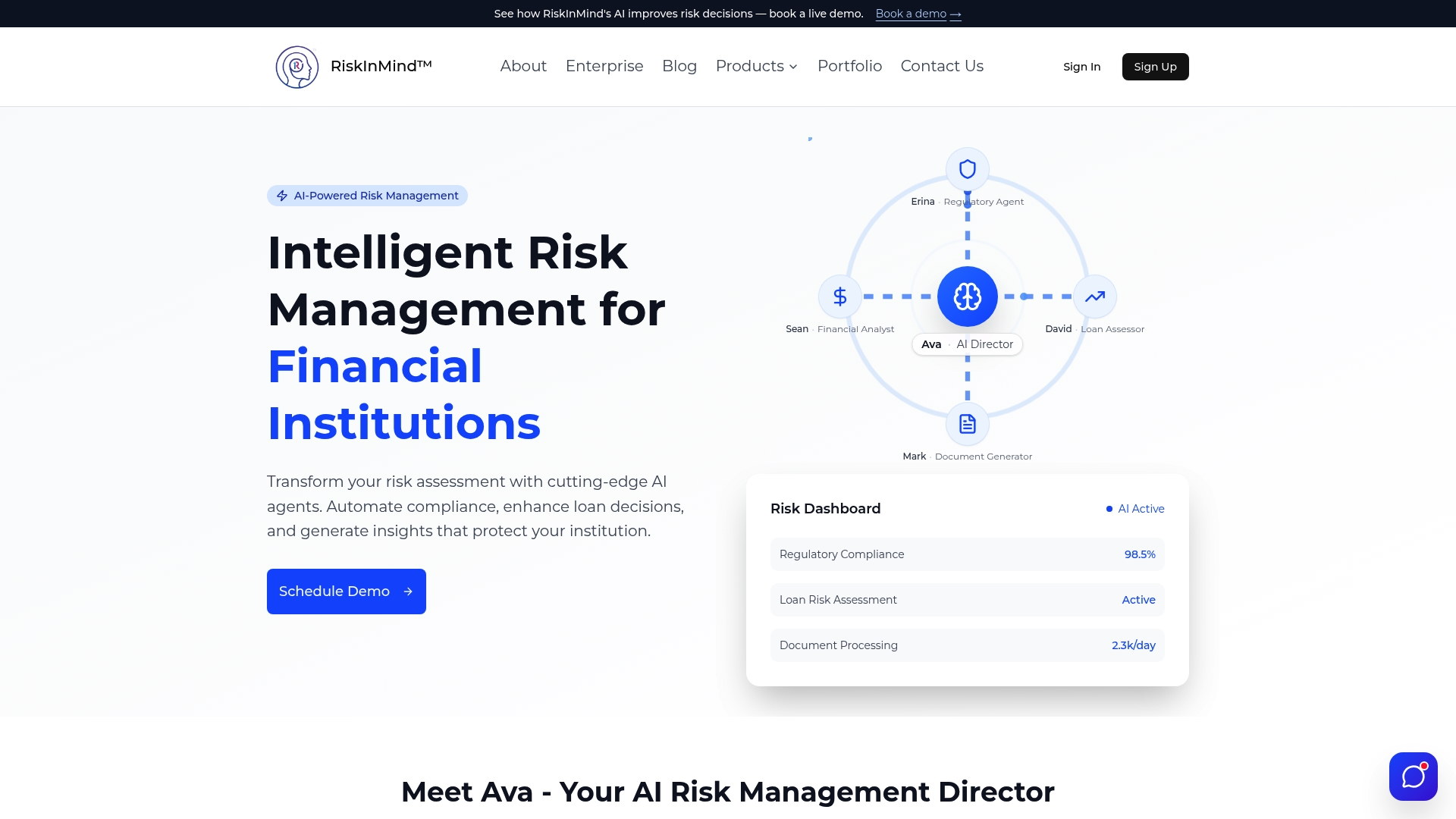
Riskinmind is the alternative to bolting together a document generator, a compliance tracker, and a fraud checker from three different vendors. Its Document Generator produces closing-ready loan packages with template logic and deterministic output, while the platform's Regulatory Agent and Fraud Detection tools run in the same environment, so your compliance monitoring and document assembly aren't operating on separate data.
A pilot with a loan document automation platform typically tracks metrics such as time saved per package, error and redraw rate, and auditability of the output trail. Loan officers and technology decision makers evaluating a platform can review pricing across the Starter, Professional, and Enterprise plans or start with the Loan Application product page to see how data mapping works before committing to a broader rollout. Schedule a demo to see how a real deal file moves through the system before your next quarter's technology budget gets locked.
Sources
- Automate document generation with document processing and Power Automate | Microsoft Learn
- Carbone — AI document generation features
- What Lenders Automate After Digital Closing — Parseur blog
- ActiveMerge — document generation software
FAQ
How Do You Create a Loan Document With Automation Software?
You start by mapping borrower and deal data from your LOS into pre-built, jurisdiction-specific templates, then the platform renders the document with the correct clauses and disclosures already applied. The output moves to e-signature, and a version-controlled record gets stored for audit purposes.
What Is Document Automation?
Document automation is the process of generating documents from templates and structured data instead of manual drafting, using conditional logic to insert the right clauses for a given deal type or jurisdiction. In lending, this typically covers note documents, disclosures, security agreements, and closing packages.
What Is the 3-7-3 Rule for a Mortgage?
The 3-7-3 rule refers to old Truth in Lending Act timing requirements: a lender had three business days to issue initial disclosures, wait seven days before closing, and allow three days for review of a redisclosure if terms changed. Those specific timing rules were replaced by the TILA-RESPA Integrated Disclosure requirements, though many loan officers still reference the phrase as shorthand for disclosure timing discipline.
What Software Do Loan Processors Use?
Loan processors typically use a combination of an LOS for pipeline management, a document automation platform for generating compliant paperwork, and identity or fraud verification tools layered into the workflow. Some platforms combine document generation, fraud detection, and compliance monitoring in one system rather than requiring separate tools for each function.
Does Loan Document Automation Replace Legal Review?
No. Automation handles standard, template-tested deal structures reliably, but novel collateral arrangements, unusual covenants, or multi-jurisdictional deals still require attorney drafting and review before closing.