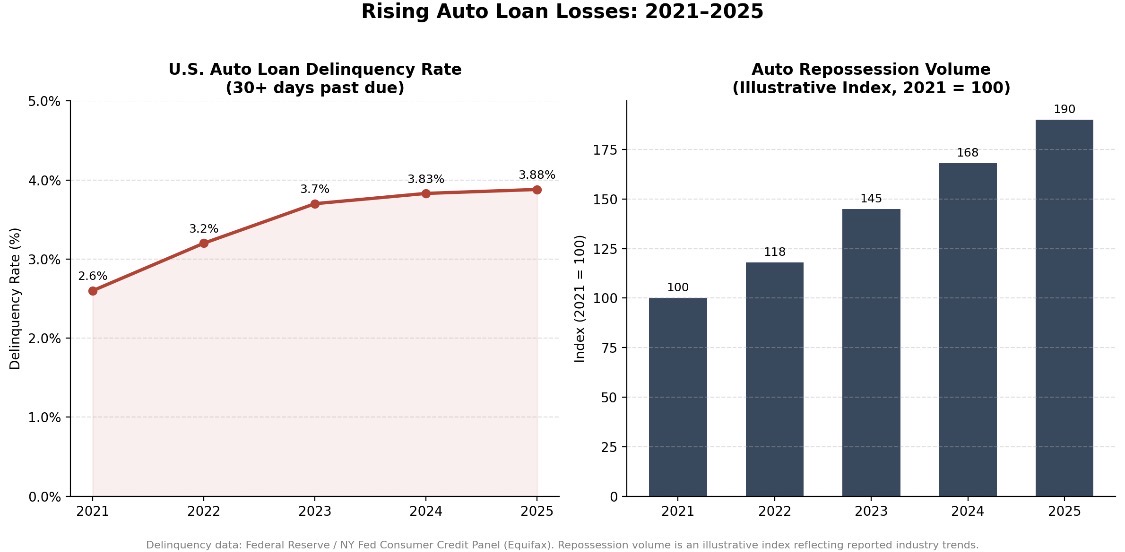
For most Americans, a car isn’t a luxury. It’s the thing that gets them to work, to the grocery store, to their kids’ school. Losing it doesn’t just mean losing transportation; it often triggers a chain reaction — missed paychecks, late credit card payments, mortgage strain. As auto debt continues to climb, the cracks are starting to show, and they’re spreading well beyond the auto lending world.
Where the Real Opportunity Lives
Predict Commercial Real Estate Risk
Run ML property evaluations, analyze LTV parameters, and model CRE loan defaults instantly.
Here’s the part that often gets missed in conversations about the auto debt bubble: many borrowers aren’t actually doomed to default. They’re simply stuck in loans with rates far higher than what they could qualify for today, especially if their credit has improved since they signed their original loan. Refinancing is the obvious lifeline. It can lower monthly payments, reduce total interest paid, and pull a borrower back from the edge before they ever miss a payment.
Credit unions are typically the destination of choice for this kind of refinance. They consistently offer some of the most competitive auto loan rates on the market, member-focused pricing without the markup that often comes with traditional bank or dealer financing. For a borrower trying to stay ahead of rising payments, a credit union refinance can be the difference between staying current and joining the repossession statistics making headlines. The Catch: Credit Unions Aren’t Built for Speed But there’s a problem, and it’s one most borrowers don’t see coming until they’re in the middle of it. Credit unions are, by design, more conservative and relationship-driven than large banks or fintech lenders. That’s part of what makes their rates so good. It’s also exactly why their loan approval and closing processes tend to move slowly. Manual underwriting, smaller back-office teams, and risk-averse internal processes mean that a refinance application that should take days can stretch into weeks. For a borrower watching their existing loan balance climb against a depreciating vehicle, every extra day of delay is a day closer to a missed payment, a credit score hit, or worse, a repo notice. The very institution offering the best long-term outcome can end up being the slowest to deliver it.
How RiskinMind Closes the Gap
This is precisely the gap RiskinMind’s auto loan application platform was built to close. RiskinMind gives credit unions the tools to evaluate, underwrite, and approve auto refinance applications dramatically faster, without abandoning the careful risk assessment that credit unions are known for. By automating risk scoring and streamlining the application workflow, RiskinMind lets credit unions keep their competitive rates while finally matching the speed borrowers actually need. For a member trying to refinance out of a dangerous payment situation, that speed isn’t a convenience. It can be the deciding factor in whether they keep their car. Why This Matters Now With auto debt levels climbing and repossession rates drawing national attention, the institutions that can move quickly and respond to member needs in real time are the ones positioned to make a real difference. Credit unions already have the rate advantage. RiskinMind gives them the speed advantage to match.
For credit unions, this means protecting members from a worsening economic environment while strengthening their own loan portfolios. For borrowers, it means access to better rates without paying for it in lost time. As the broader economy reckons with the fallout of an auto debt bubble years in the making, tools like RiskinMind aren’t just operational upgrades. They are the engines that let lenders apply the right kind of financial pressure relief at the moment it matters most.