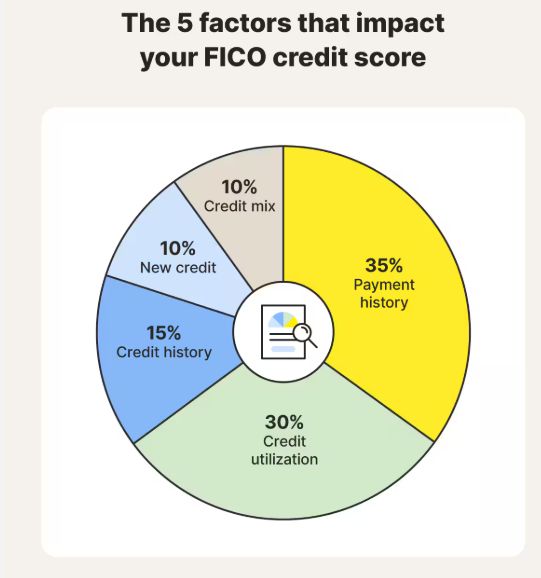
FICO scores, while widely used, have significant limitations in assessing credit default risk because they rely solely on credit report data focused on borrowing and repayment history. Key financial factors such as income level, employment stability, and cash flow are not captured in a FICO score. For example, your current salary, job tenure, and occupation do not influence your score. Additionally, bank account balances and cash flow patterns—which reflect your ability to manage money—are not considered, leaving major gaps in understanding your actual financial health.
Non-credit payment histories also escape FICO’s scope. Most on-time rent payments do not affect your score unless reported by specialized services, and regular utility or subscription payments similarly have no direct impact, though late payments sent to collections may harm your score. Economic conditions like recessions do not adjust the score unless they impact repayment behavior, and demographic factors such as age, race, gender, or marital status are legally excluded from scoring. Furthermore, contextual details like reasons for borrowing or medical hardship are generally overlooked, though some newer FICO versions may weigh medical collections less heavily. Obligations like child or family support are also not factored into the score.
Lenders, recognizing these limitations, often consider additional variables beyond the FICO score in their credit decisions. These include debt-to-income ratio, job stability, and the specific credit type and amount requested. Increasingly, lenders use alternative data for a fuller view, especially for those with thin or no traditional credit files. This alternative data includes bank transaction histories to verify income and detect spending habits, direct deposit information to confirm employment stability, and cash flow analysis to evaluate gig-economy workers or others without regular W2 income. Such data provides real-time insights into financial health, improving risk prediction beyond historical credit information.
Extract Tax Return Data Instantly
Ingest complex corporate and personal tax returns, automatically spreading revenue and expense fields in seconds.
Payment histories beyond traditional credit accounts also matter. On-time rent payments, if reported, strongly signify financial responsibility. Utility and telecom payments, while usually unreported unless delinquent, can now be added positively through services like Experian Boost. Emerging data like Buy Now, Pay Later (BNPL) plan histories are increasingly incorporated into credit assessments. Public and specialty data—including property ownership, professional licenses, tax liens, bankruptcies, and small-dollar loan records—further enrich lenders’ evaluations. Some lenders even consider educational attainment, though this practice raises fairness concerns due to its potential disparate impact.
Because of these gaps in the FICO score, using tools that integrate alternative data is essential for more accurate credit risk assessment. RiskinMind AI’s Loan Application product leverages these broader financial insights—including income, employment stability, cash flow, and non-traditional payment history—to provide lenders with a comprehensive view of borrower risk beyond FICO scores.
Visit (https://www.riskinmind.ai/products/loan-application) now to try the free calculator and see how you can better predict credit default risk by going beyond traditional credit scores. Make smarter lending decisions with a complete, data-driven approach from RiskinMind AI.